
Things to Do Across County Dublin: Go Beyond the Tourist Traps

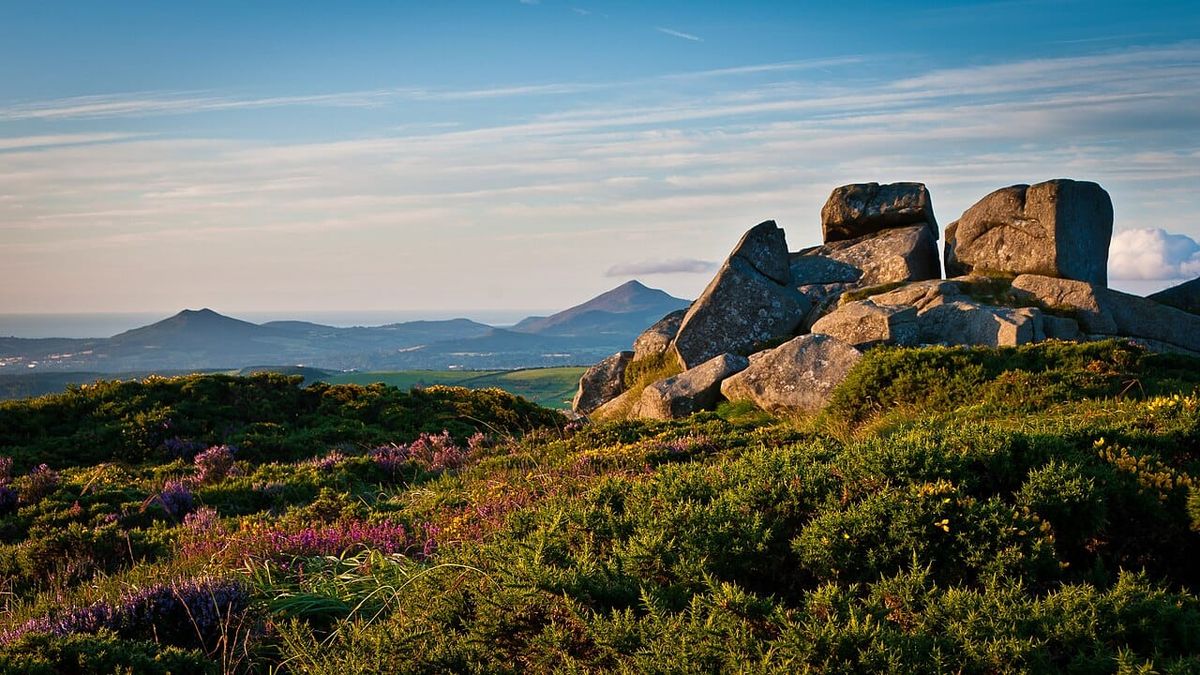
Beyond the city centre, County Dublin runs from coast to mountains. Walk the Howth cliff path over Dublin Bay, roam Phoenix Park, Europe's largest enclosed urban park at twice the size of Central Park and home to wild deer, visit Malahide Castle, lived in by one family for nearly 800 years, and the coastal villages of Dalkey and Killiney.
Established during the Norman invasion in the 12th century, Dublin is one of the oldest counties in Ireland and was originally part of the ancient kingdom of Leinster.
Sure County Dublin is home to the capital but don’t confine yourself to the city centre! When exploring County Dublin, you'll quickly discover it's a place of stark contrasts. Within minutes, you can journey from bustling city streets to tranquil coastal villages and rugged mountains. This diversity sets Dublin apart from its neighboring counties.
County Dublin Attractions
Dublin Castle
This 13th-century fortress stands where Viking settlers first established a settlement. Unlike Kilkenny Castle's medieval grandeur, Dublin Castle blends architectural styles from Norman, Georgian, and Victorian periods, reflecting the city's evolving history.
Visitor Info: Allow 1.5-2 hours for the guided tour, which provides access to the State Apartments and medieval undercroft. Mornings typically see fewer crowds, especially on weekdays. The Chester Beatty Library within the castle grounds deserves an additional hour.
Howth Head Peninsula
A great spot for a run or hike, this stunning headland offers some of the most spectacular coastal walks in Leinster. The Howth Cliff Path provides panoramic views across Dublin Bay that rival even Wicklow's famous cliff walks. You'll spot Ireland's Eye and Lambay Island offshore, and on clear days, the mountains of Wales.
Visitor Info: The full loop walk takes 2-3 hours, but shorter options are available. Morning visits offer the best lighting for photography, while sunset views are particularly magical. The village of Howth itself deserves another hour for exploring.
Phoenix Park
Twice the size of New York's Central Park, Phoenix Park is Europe's largest enclosed urban park. Unlike the manicured formal gardens of Powerscourt in Wicklow, Phoenix Park maintains a wilder, more natural character with herds of wild deer roaming freely since the 17th century.
Visitor Info: You could spend an entire day here. The park houses Dublin Zoo, Áras an Uachtaráin (the President's residence), and the Victorian People's Flower Gardens. Renting bikes is the best way to cover the vast grounds. Weekday mornings offer the most peaceful experience.
Malahide Castle and Gardens
This medieval castle has been inhabited by the same family for nearly 800 years, making it one of Ireland's oldest continuously occupied castles. The Talbot family's connection to Malahide far outlasted the Butler family's tenure at Kilkenny Castle.
Visitor Info: Plan for 2-3 hours to tour the castle and explore the botanical gardens. The gardens are awe-inspiring in late spring, but the castle's interior is fascinating year-round. Weekday visits are considerably less crowded.
Dalkey and Killiney
These adjacent coastal villages offer a glimpse into Dublin's wealthy maritime past and present. The area combines historical sites with stunning sea views and has been home to numerous Irish literary figures and celebrities. Killiney Hill provides views that locals often compare to the Bay of Naples.
Visitor Info: Dalkey Castle requires about an hour, while a walk up Killiney Hill takes another hour. The DART train service makes this area easily accessible.
The National Botanic Gardens
These Victorian gardens house over 15,000 plant species and historic glasshouses that rival those at Kew Gardens in London. The palm house features a groundbreaking architectural design.
Visitor Info: Allow 2-3 hours for a complete visit. Spring and early summer showcase the most blooms, but the glasshouses are impressive year-round. The gardens are closed on Mondays during winter months.
Hidden Dublin Gems
Poolbeg Lighthouse Walk
The Great South Wall extends 4km into Dublin Bay, ending at the distinctive red Poolbeg Lighthouse. Most tourists never venture here, but it offers unparalleled views of Dublin Bay and the busy shipping lane into Dublin Port. Local lore tells of smugglers using the wall during the 18th century to bring contraband into the city, evading customs officials.
Dubliners call this walk "the greatest sea view in Dublin," and on windy days, you'll see locals gathering to watch the spectacular spray as waves crash against the wall. Bring a flask of tea and join them for a two-hour walk.
The Forty Foot Swimming Spot
Locals have used this historic sea-swimming location in Sandycove for over 250 years. Immortalized in James Joyce's "Ulysses," it was traditionally a men-only bathing spot until women protestors forced integration in the 1970s. The water remains around 9°C year-round, and you'll always find hardy locals taking their daily dip - including several who swim every day of the year, even on Christmas morning.
When swimming here, locals will tell you to look for "the pot" - a naturally formed circular area with slightly calmer waters that makes entry easier for beginners.
Marino Casino
This neo-classical building is one of Europe's finest 18th-century architectural gems, yet many Dubliners have never visited. Despite its name, it was never used for gambling - "casino" here means "small house." The building is an architectural masterpiece of deception: what appears to be a single-room structure actually contains 16 rooms across three floors.
Local architects still study the Casino's perfect proportions and clever design. During restoration work in the 1970s, workers discovered hidden messages from the original craftsmen written on interior walls over 200 years earlier.
The Hell Fire Club
Sitting atop Montpelier Hill in the Dublin Mountains, this ruined hunting lodge from the 1720s was reportedly the meeting place for an infamous gentlemen's club known for debauchery and occult activities. Originally built with stones from a prehistoric passage tomb, locals blamed the desecration for supernatural occurrences.
Dublin parents have frightened misbehaving children with tales of the Hell Fire Club for generations. Folklore includes stories of a large black cat appearing during storms and card games with mysterious strangers who revealed cloven hooves beneath their boots.
Frequently asked questions
What are the best things to do in County Dublin beyond the city? Beyond the centre, head to the Howth Head cliff path, Phoenix Park, Malahide Castle and Gardens, the coastal villages of Dalkey and Killiney, and the National Botanic Gardens.
How big is Phoenix Park? Phoenix Park is Europe's largest enclosed urban park, twice the size of New York's Central Park, with herds of wild deer roaming since the 17th century, plus Dublin Zoo and Aras an Uachtarain.
What is there to do in Howth? The Howth Cliff Path offers panoramic views across Dublin Bay, with a full loop of 2 to 3 hours and shorter options available. The village itself is worth another hour for exploring.
Is Malahide Castle worth visiting? Yes. Malahide Castle has been inhabited by the same family for nearly 800 years, making it one of Ireland's oldest continuously occupied castles, set in extensive gardens.
What are some hidden gems in County Dublin? Quieter spots include the Poolbeg Lighthouse walk, the Forty Foot swimming spot, the Marino Casino, and the Hell Fire Club in the Dublin Mountains.
Event Calendar
Spring
St. Patrick's Festival (March) - Beyond the famous parade, this five-day festival includes a treasure hunt through Dublin's historic quarters and special events at normally restricted locations.
Dublin Bay Prawn Festival (April) - Held in Howth, this seafood celebration showcases the county's fishing heritage with tasting experiences and coastal foraging walks led by local experts.
Summer
Bloomsday (June 16) - This celebration of James Joyce's "Ulysses" sees literary enthusiasts dressed in Edwardian attire retracing the novel's route through Dublin, with readings at locations featured in the book.
Longitude Festival (July) - Marlay Park hosts this major music festival featuring international acts alongside emerging Irish talent.
Dalkey Book Festival (June) - Attracting literary stars to this coastal village, the festival includes conversations in unusual venues like medieval church ruins and grand private homes not normally open to the public.
Autumn
Dublin Theatre Festival (September-October) - Europe's oldest specialized theater festival transforms venues across the county, including historic buildings not typically used for performances.
Bram Stoker Festival (October) - Celebrating Dublin-born author of "Dracula," this festival combines literature, film, and immersive gothic experiences throughout the city.
Winter
Christmas at the Castle (December) - Dublin Castle's courtyard transforms into a traditional Christmas market with local crafts and food producers.
New Year's Festival (December 31-January 1) - This two-day celebration includes a light show over the Liffey and "First Fortunes" storytelling events sharing predictions for the coming year based on Celtic traditions.
Family Activities
Dublin Zoo
One of Europe's oldest zoos, Dublin Zoo in Phoenix Park has transformed itself into a conservation-focused attraction with naturalistic habitats. The African Savanna and Sea Lion Cove are particular highlights for families.
Age Suitability: All ages, though children 3-12 will get the most enjoyment.
National Aquatic Centre
For all-weather fun, this massive indoor water park in Blanchardstown features slides, a lazy river, and a wave pool. The AquaZone area offers more thrilling water slides for older children. Adults can enjoy the 25-50 meter swimming pool.
Age Suitability: Toddler areas are available for the youngest visitors, while teenagers will enjoy the more adventurous slides.
Airfield Estate
This 38-acre working farm in Dundrum offers a taste of rural life just minutes from the city center. Children can collect eggs, milk cows, and participate in seasonal planting activities.
Age Suitability: Best for ages 4-12, though the gardens and café appeal to all ages.
Explorium National Sport & Science Centre
This interactive science center in Sandyford combines sports and science with over 300 exhibits. The gravity-defying climbing walls and sports science testing areas particularly appeal to active children.
Age Suitability: While designed for ages 6-15, specific areas cater to different age groups, including teenagers.
Local Business Highlights
The Old Spot
This gastropub in Bath Avenue preserves the cozy atmosphere of an Irish pub while serving exceptional food. Their slow-cooked beef cheek with bone marrow mash has developed a cult following among Dublin foodies. Sunday roasts often sell out by early afternoon.
What sets The Old Spot apart is its policy of sourcing ingredients from within a 50-mile radius of Dublin, including vegetables from urban farms in the county.
Howth Market
This weekend market showcases County Dublin's surprising food diversity. Don't miss Sheridan's Cheesemongers, where you can sample Irish farmhouse cheeses, including several made within County Dublin itself.
The market's fish stalls display the morning's catch from boats you can see in the harbor. Local fishermen can often be found enjoying a pint nearby, happy to share stories about Dublin Bay's fishing heritage.
The Library Bar
Hidden on the first floor of the Central Hotel, this converted Victorian library retains its original bookshelves and leather armchairs. Their Irish coffee uses a 100-year-old recipe with locally distilled whiskey.
Unlike Temple Bar's tourist-focused pubs, The Library Bar remains a favorite meeting spot for Dublin's literary community. Local writers often draft their works here, continuing a decades-old tradition.
Avoca Handweavers
While Avoca is now a well-known Irish brand, their Kilmacanogue store just within County Dublin's border offers more than just shopping. The on-site bakery produces traditional Irish bread using methods rarely seen outside of family homes, including overnight fermentation techniques.
Their food hall showcases small-batch producers from across Leinster, with many products unavailable elsewhere. The adjoining café serves dishes incorporating ingredients from their own garden.
Visit County Dublin
County Dublin delivers experiences that extend far beyond its famous capital city. From ancient castles to wild coastal walks, secret swimming spots to thriving local businesses, this diverse county offers both the expected tourist attractions and the hidden treasures that make a visit truly memorable.
Check out our guide about things to do in County Carlow.
Swim safety right now
25 Dublin beaches are monitored by the EPA through the bathing season. No bathing restrictions are in place right now. See live water-quality status for every Dublin beach →
Heritage sites in Dublin
Dublin has 4,224 recorded archaeological monuments, and 9 are set up to visit. See the historic sites in Dublin worth visiting →
Walking trails in Dublin
Dublin has 18 waymarked walking trails on the national register, graded and mapped. See the walking trails in Dublin worth lacing up for →
Nature reserves in Dublin
Dublin is home to a national park and 3 nature reserves open to the public. See the wild places worth visiting in Dublin →
Historic buildings in Dublin
Dublin has 7,535 recorded NIAH buildings, 246 of them rated of National or International importance, from Georgian houses and churches to bridges and mills. See the historic buildings in Dublin worth seeking out →
Top things to do in Dublin
Airfield Estate, At Airfield Estate, Dundrum, Dublin, explore the Overend family home and vintage car garage to learn more about the estate’s historic importance and original artefacts.
Arboretum Urban Green, In Dublin City, is a serene haven for city gardeners and visitors alike.
Blessington Street Basin (Dublin's Secret Garden), Blessington Basin is a real secret garden, only a 15-minute walk from Upper O'Connell St.
City Assembly House, Dublin's City Assembly House is an 18th century building of artistic and architectural importance.
Dublinia, Travel back to the city in Viking times.
Eamonn Ceannt Park, Named after one of the executed leaders of the 1916 Rising.
Graphic Studio Gallery, The Graphic Studio Gallery in Dublin's Temple Bar was opened in 1988 and works to educate the public about fine art printmaking and to exhibit and sell fine art prints.
Irish Famine Exhibition, The Irish Famine Exhibition in Stephen's Green Shopping Centre provides a moving and immersive journey through the Great Hunger.
What's on
Live Aid Exhibition
Wed 8 July · National Photographic Archive · Free
Dún Laoghaire Walking Tours, The Dublin Riviera
Wed 8 July · Meeting Place: Harbour Plaza, Dún Laoghaire
James Joyce Walking Tour
Wed 8 July · James Joyce Centre
Artist-Initiated Projects 2026
Wed 8 July · Pallas Projects/Studios · Free
The Hunt Dinner Party
Wed 8 July · Malahide Castle & Gardens
Quizhost Ireland Big Screen Movie Quiz
Wed 8 July · Cleary's Pub
Events & attractions: Fáilte Ireland Open Data (failteireland.ie), CC BY 4.0.